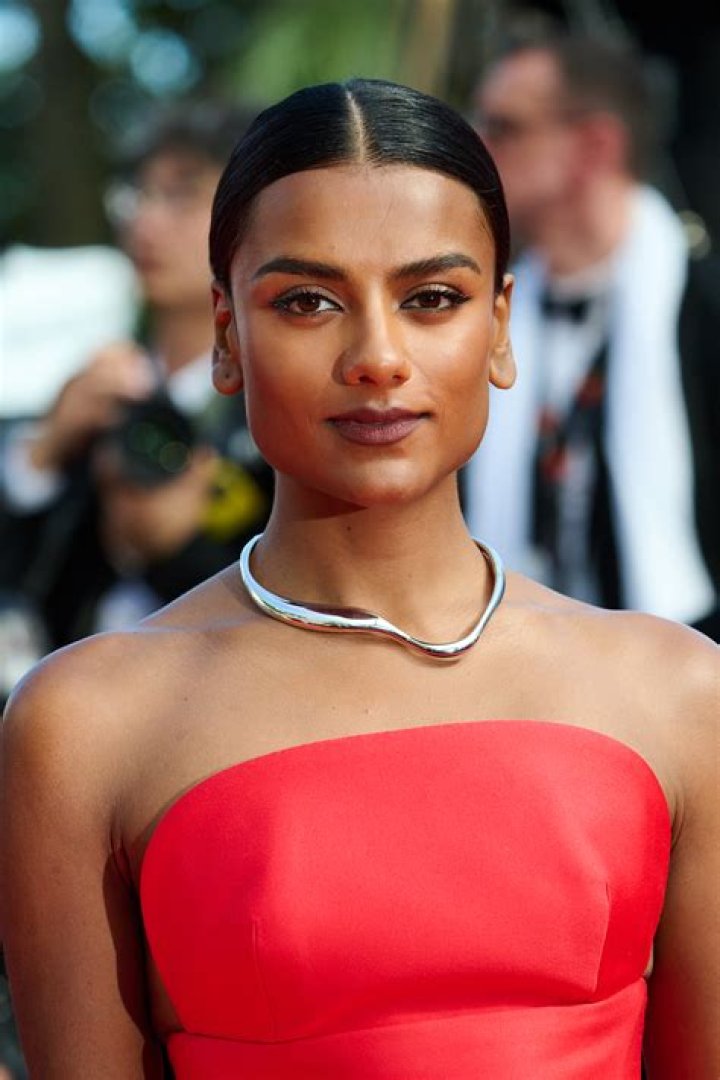
Rana Azadivar is an Iranian-American artist and activist whose work explores the intersections of identity, culture, and social justice.
Through her powerful and evocative paintings, sculptures, and installations, Azadivar challenges stereotypes and confronts issues such as racism, sexism, and Islamophobia. Her work has been exhibited in museums and galleries around the world, and she has received numerous awards and accolades for her contributions to contemporary art.
Azadivar's work is not only aesthetically striking but also deeply meaningful. It provokes thought, inspires dialogue, and empowers viewers to challenge the status quo. She is a tireless advocate for social change, and her art is a powerful tool for raising awareness and promoting understanding.
rana azadivar
Rana Azadivar is an Iranian-American artist and activist whose work explores the intersections of identity, culture, and social justice. Her work is multi-faceted and thought-provoking, and she uses a variety of media to express her message.
- Identity: Azadivar's work often explores issues of identity, both personal and cultural.
- Culture: Azadivar's work is heavily influenced by her Iranian heritage, and she often incorporates traditional Persian motifs and symbolism into her art.
- Social justice: Azadivar is a passionate advocate for social justice, and her work often addresses issues such as racism, sexism, and Islamophobia.
- Painting: Azadivar is a skilled painter, and her work has been exhibited in galleries and museums around the world.
- Sculpture: Azadivar also creates sculptures, often using found objects and recycled materials.
- Installation: Azadivar's installations are often large-scale and immersive, and they often incorporate elements of performance and audience participation.
- Teaching: Azadivar is a dedicated educator, and she teaches art at the University of California, Berkeley.
- Awards: Azadivar has received numerous awards and accolades for her work, including the prestigious MacArthur Fellowship.
- Activism: Azadivar is a vocal advocate for social change, and she uses her art to raise awareness about important issues.
These are just a few of the key aspects of Rana Azadivar's work. Her art is complex and multifaceted, and it continues to evolve and grow. She is a powerful voice for social justice, and her work is an important contribution to contemporary art.
Identity
As an Iranian-American artist, Rana Azadivar's work is deeply informed by her own experiences of identity. She explores the complexities of being both Iranian and American, and the challenges of navigating two cultures. Her work also speaks to the broader issue of identity in a globalized world, where people are increasingly connected to multiple cultures and communities.
Azadivar's work is often personal and autobiographical, but it also resonates with a wider audience. Her paintings, sculptures, and installations explore universal themes of identity, belonging, and self-expression. She challenges stereotypes and confronts issues such as racism, sexism, and Islamophobia. Her work is a powerful reminder that identity is complex and multifaceted, and that we are all shaped by our experiences and interactions with others.
Azadivar's work is not only aesthetically striking but also deeply meaningful. It provokes thought, inspires dialogue, and empowers viewers to challenge the status quo. She is a tireless advocate for social change, and her art is a powerful tool for raising awareness and promoting understanding.
Culture
Rana Azadivar's Iranian heritage is a major source of inspiration for her work. She often incorporates traditional Persian motifs and symbolism into her paintings, sculptures, and installations. This is evident in her use of vibrant colors, intricate patterns, and calligraphic elements. Azadivar's work also explores themes of Iranian history, culture, and identity.
For example, her painting "Shahnameh" depicts a scene from the Persian epic poem of the same name. The painting is full of symbolism, and it references the rich cultural heritage of Iran. Azadivar's work is not only aesthetically pleasing, but it also has a deeper meaning. She uses her art to explore her own identity and to share her culture with others.
Azadivar's work is an important contribution to contemporary art. She is a talented artist who is not afraid to explore difficult and challenging subjects. Her work is a powerful reminder of the importance of cultural diversity and understanding.
Social justice
Rana Azadivar is a passionate advocate for social justice, and her work often addresses issues such as racism, sexism, and Islamophobia. This is evident in her choice of subject matter, as well as in the way that she uses her art to challenge stereotypes and promote understanding.
For example, her painting "Black Lives Matter" depicts a group of protesters holding signs with the slogan "Black Lives Matter." The painting is a powerful indictment of racism and police brutality, and it has been used to raise awareness about the Black Lives Matter movement.
Azadivar's work is not only aesthetically pleasing, but it also has a deeper meaning. She uses her art to speak out against injustice and to promote social change. She is a powerful voice for the marginalized and oppressed, and her work is an important contribution to the fight for social justice.
The connection between social justice and Rana Azadivar's work is essential to understanding her art. Her work is not simply about creating beautiful objects, but about using art to make a difference in the world. She is a passionate advocate for social justice, and her work is a powerful tool for raising awareness and promoting understanding.
Painting
Rana Azadivar's work as a painter is a central component of her artistic practice. Her skill as a painter allows her to communicate her messages effectively and to reach a wide audience. Her paintings have been exhibited in galleries and museums around the world, which has helped to raise her profile and to bring her work to the attention of a global audience.
Azadivar's paintings are often visually striking, and they use color and form to convey her messages. She often incorporates traditional Persian motifs and symbolism into her paintings, which adds to their visual appeal and cultural significance. Azadivar's paintings are also often thought-provoking and challenging, and they address important social and political issues.
The connection between Azadivar's work as a painter and her overall artistic practice is essential to understanding her work as a whole. Her paintings are not simply individual works of art, but are part of a larger body of work that explores issues of identity, culture, and social justice. Azadivar's paintings are a powerful tool for communication, and they have helped to raise awareness of important social issues.
Sculpture
Rana Azadivar's work as a sculptor is an important part of her artistic practice. Her sculptures often explore similar themes to her paintings, such as identity, culture, and social justice. However, her sculptures also have a unique quality that sets them apart from her other work.
Azadivar's sculptures are often made from found objects and recycled materials. This gives her work a sense of immediacy and authenticity. It also allows her to explore environmental issues in her work. For example, her sculpture "Plastic Tide" is made from recycled plastic bottles. The sculpture is a powerful reminder of the environmental crisis that we are facing.
Azadivar's sculptures are not only visually striking, but they are also thought-provoking and challenging. They address important social and political issues, and they encourage viewers to think about the world around them. Azadivar's work is a powerful voice for change, and her sculptures are an important part of her artistic practice.
The connection between Azadivar's work as a sculptor and her overall artistic practice is essential to understanding her work as a whole. Her sculptures are not simply individual works of art, but are part of a larger body of work that explores issues of identity, culture, and social justice. Azadivar's sculptures are a powerful tool for communication, and they have helped to raise awareness of important social issues.
Installation
Rana Azadivar's installations are a powerful and immersive way to experience her art. They are often large-scale and incorporate elements of performance and audience participation, which allows viewers to engage with her work on a deeper level.
One of Azadivar's most well-known installations is "The Room of Whispers." This installation is a dark and intimate space filled with the sound of women's voices whispering. The voices tell stories of love, loss, and longing, and they create a powerful and moving experience for viewers.
Another one of Azadivar's installations is "The Garden of Secrets." This installation is a lush and colorful space filled with flowers, plants, and trees. Viewers are invited to walk through the garden and explore its many hidden secrets. The garden is a beautiful and peaceful space, and it provides a respite from the hustle and bustle of everyday life.
Azadivar's installations are a unique and powerful way to experience her art. They are immersive and engaging, and they allow viewers to connect with her work on a deeper level. Azadivar's installations are an important part of her artistic practice, and they have helped to raise her profile as one of the most important contemporary artists working today.
The connection between Azadivar's installations and her overall artistic practice is essential to understanding her work as a whole. Her installations are not simply individual works of art, but are part of a larger body of work that explores issues of identity, culture, and social justice. Azadivar's installations are a powerful tool for communication, and they have helped to raise awareness of important social issues.
Teaching
Rana Azadivar's role as an educator is an important part of her artistic practice. Teaching allows her to share her knowledge and skills with the next generation of artists, and it also helps her to stay connected to the broader art community.
- Mentorship: Azadivar is a dedicated mentor to her students, and she takes a personal interest in their development as artists. She provides them with guidance and support, and she encourages them to explore their own unique voices.
- Community: Teaching allows Azadivar to connect with a community of artists and scholars. She is involved in a variety of art organizations, and she regularly participates in exhibitions and conferences.
- Inspiration: Teaching inspires Azadivar's own artistic practice. She often incorporates ideas from her students' work into her own art, and she is constantly learning from their fresh perspectives.
Azadivar's teaching is an important part of her overall artistic practice. It allows her to share her knowledge and skills, to connect with the broader art community, and to be inspired by the next generation of artists.
Awards
Rana Azadivar's many awards and accolades are a testament to her significant contributions to the art world. These awards have not only recognized her artistic achievements but have also provided her with the resources and support to continue her important work.
- Recognition of Artistic Excellence
Azadivar's awards have brought her work to the attention of a wider audience and have helped to establish her as one of the leading artists of her generation. Her awards have also helped to legitimize her work and to challenge stereotypes about Iranian-American artists.
- Financial Support
The MacArthur Fellowship, in particular, has provided Azadivar with significant financial support that has allowed her to focus on her art and to take risks in her work. This support has been essential to her continued success as an artist.
- Inspiration and Motivation
Receiving awards has been a source of inspiration and motivation for Azadivar. It has encouraged her to continue to push the boundaries of her art and to explore new and innovative ways to express herself.
- Platform for Social Change
Azadivar's awards have also given her a platform to speak out about important social issues. She has used her voice to advocate for social justice and to challenge racism, sexism, and Islamophobia.
Overall, the awards that Rana Azadivar has received are a testament to her significant contributions to the art world. These awards have recognized her artistic excellence, provided her with financial support, inspired her to continue to push the boundaries of her art, and given her a platform to speak out about important social issues.
Activism
Rana Azadivar is a vocal advocate for social change, and she uses her art to raise awareness about important issues. Her work often addresses issues of identity, culture, and social justice, and she uses her art to challenge stereotypes and promote understanding.
- Using art to amplify marginalized voices
Azadivar's work often gives a platform to the voices of marginalized communities. For example, her painting "Black Lives Matter" depicts a group of protesters holding signs with the slogan "Black Lives Matter." The painting is a powerful indictment of racism and police brutality, and it has been used to raise awareness about the Black Lives Matter movement.
- Challenging stereotypes and promoting understanding
Azadivar's work also challenges stereotypes and promotes understanding between different cultures. For example, her painting "The Persian Princess" depicts a young Iranian woman wearing a traditional Persian dress. The painting is a beautiful and powerful statement about the beauty and diversity of Iranian culture.
- Using art as a tool for social change
Azadivar believes that art can be a powerful tool for social change. She uses her art to raise awareness about important issues, to challenge stereotypes, and to promote understanding. Her work is a powerful reminder that art can be a force for good in the world.
Rana Azadivar is an inspiration to artists and activists alike. Her work is a powerful reminder that art can be a powerful tool for social change.
Frequently Asked Questions about Rana Azadivar
Rana Azadivar is an Iranian-American artist and activist who uses art as a tool for social change. Her work examines themes such as identity, culture, and social justice.
Question 1: What is the main focus of Rana Azadivar's work?
Answer: Rana Azadivar's work focuses on the intersection of identity, culture, and social justice. Using various media, she challenges stereotypes and addresses issues like racism, sexism, and Islamophobia.
Question 2: How does Azadivar use art to promote social change?
Answer: Azadivar's art gives visibility to marginalized communities and challenges stereotypes. She uses her platform to raise awareness about important issues and foster understanding between different cultures.
Question 3: What is the significance of Azadivar's Iranian heritage in her work?
Answer: Azadivar's Iranian heritage deeply influences her art. She incorporates traditional Persian motifs, symbolism, and cultural references to explore her own identity and share her culture with others.
Question 4: How has Azadivar's work been recognized?
Answer: Azadivar has received numerous awards and accolades for her work, including the prestigious MacArthur Fellowship. Her work has been exhibited in museums and galleries worldwide.
Question 5: What are some examples of Azadivar's most notable works?
Answer: Some of Azadivar's well-known works include "Shahnameh," "Black Lives Matter," and "The Room of Whispers." These pieces address issues of cultural identity, social injustice, and the power of storytelling.
Question 6: How can I learn more about Rana Azadivar's work?
Answer: You can explore Azadivar's work through her website, visit exhibitions featuring her art, or read publications and articles about her. Her work continues to inspire and provoke thought, making her a significant figure in contemporary art.
Summary: Rana Azadivar is an artist and activist who uses her work to challenge stereotypes, address social issues, and celebrate cultural diversity. Her art is a powerful voice for change, and it continues to make a significant impact on the art world and beyond.
Transition: Explore further articles to delve deeper into the life, work, and impact of Rana Azadivar and other influential artists.
Tips from Rana Azadivar, Artist and Activist
Rana Azadivar is an Iranian-American artist and activist whose work examines the intersection of identity, culture, and social justice. Her powerful and evocative art challenges stereotypes and confronts issues such as racism, sexism, and Islamophobia.
Here are some tips inspired by Azadivar's work and activism:
Tip 1: Embrace Your Identity
Celebrate and explore your unique identity, including your cultural heritage, personal experiences, and values. Embrace what makes you different and use it as a source of strength and inspiration.
Tip 2: Challenge Stereotypes
Actively question and challenge stereotypes and prejudices in society. Be open to learning about different cultures and perspectives, and speak out against discrimination and injustice.
Tip 3: Use Your Voice
Find your voice and use it to advocate for what you believe in. Whether through art, activism, or simply having conversations, make your voice heard and contribute to positive change.
Tip 4: Be an Ally
Show solidarity with marginalized communities and support their struggles. Be an ally to those who face discrimination and injustice, and work towards creating a more equitable society.
Tip 5: Create Change Through Art
If you are an artist, use your art as a tool for social change. Create works that challenge norms, raise awareness about important issues, and inspire others to think critically.
Summary: By embracing our identities, challenging stereotypes, using our voices, being allies, and creating change through art, we can contribute to a more just and equitable society. Rana Azadivar's work and activism provide inspiration and guidance for those who seek to make a positive impact on the world.
Conclusion: Explore further articles to discover more about Rana Azadivar's journey and the ways in which art can be a powerful force for social change.
Conclusion
Rana Azadivar's work is a powerful exploration of identity, culture, and social justice. Through her art, she challenges stereotypes, confronts injustice, and celebrates diversity. Azadivar's commitment to using art as a tool for change is inspiring and thought-provoking.
By embracing our own unique identities, questioning prejudices, and using our voices to speak out against injustice, we can all contribute to a more just and equitable world. Rana Azadivar's work reminds us of the power of art to raise awareness, inspire change, and build bridges between cultures.