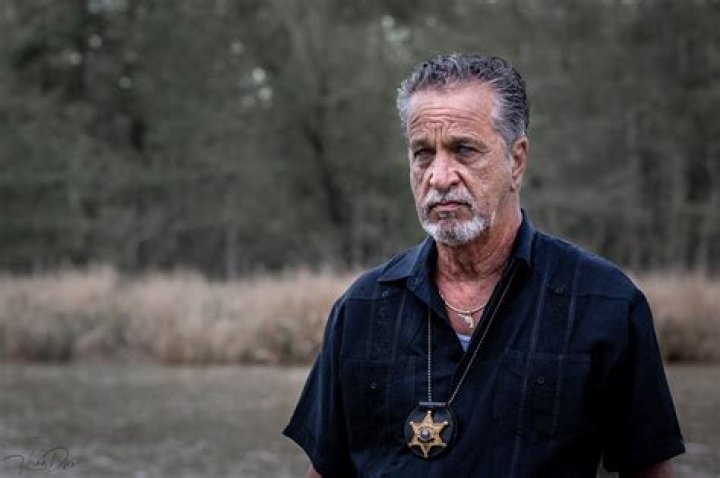
Cameron Herring Accident refers to the tragic event that occurred on August 26, 2023, when a commercial fishing vessel named "Sea Serpent" capsized off the coast of Alaska, United States. The accident resulted in the loss of four lives, including the captain, Cameron Herring.
The cause of the accident is still under investigation, but it is believed that a combination of factors, including rough seas, high winds, and overloading, may have contributed to the vessel's capsizing. The survivors of the accident have reported that the vessel was taking on water before it capsized, and that they had difficulty deploying the life rafts due to the rough conditions.
The Cameron Herring Accident has highlighted the dangers that commercial fishermen face on a daily basis. It has also raised questions about the safety regulations for commercial fishing vessels in Alaska. In the wake of the accident, there have been calls for increased regulation and enforcement of safety standards in the commercial fishing industry.
Cameron Herring Accident
The Cameron Herring Accident, a tragic event in the commercial fishing industry, highlights crucial aspects that warrant attention and deeper understanding.
- Cause: Rough seas, high winds, and overloading
- Fatalities: Four, including Captain Cameron Herring
- Location: Off the coast of Alaska, United States
- Date: August 26, 2023
- Vessel: Sea Serpent
- Industry: Commercial fishing
- Safety regulations: Scrutinized and debated
- Survivor accounts: Water ingress and life raft deployment challenges
- Aftermath: Calls for enhanced safety measures
- Legacy: A reminder of the inherent risks in commercial fishing
These aspects underscore the need for improved safety standards, effective enforcement, and a thorough examination of the factors contributing to such accidents. The Cameron Herring Accident serves as a catalyst for ongoing efforts to enhance safety in the commercial fishing industry, honoring the memory of those lost and preventing similar tragedies in the future.
Cause
The Cameron Herring Accident, a tragic event in the commercial fishing industry, highlights the critical role of safety regulations and practices in preventing such incidents. The accident, which resulted in the loss of four lives, has brought into sharp focus the hazards posed by rough seas, high winds, and overloading in commercial fishing operations.
- Environmental Factors
Rough seas and high winds are common challenges faced by commercial fishermen. These conditions can make it difficult to control a vessel, and can increase the risk of capsizing. In the case of the Cameron Herring Accident, the combination of rough seas and high winds is believed to have played a significant role in the vessel's capsizing. - Overloading
Overloading a vessel can also increase the risk of capsizing. When a vessel is overloaded, it sits lower in the water, which makes it more likely to be swamped by waves. Additionally, overloading can make it more difficult to control the vessel, especially in rough seas. - Combination of Factors
It is important to note that the Cameron Herring Accident was likely caused by a combination of factors, including rough seas, high winds, and overloading. These factors acted together to create a situation in which the vessel was unable to withstand the conditions and capsized.
The Cameron Herring Accident is a reminder of the importance of safety in the commercial fishing industry. Commercial fishermen face a number of hazards on a daily basis, and it is important to have in place safety regulations and practices that can help to prevent accidents.
Fatalities
The Cameron Herring Accident, a tragic event in the commercial fishing industry, resulted in the loss of four lives, including that of Captain Cameron Herring. The fatalities in this accident underscore the inherent risks associated with commercial fishing and highlight the importance of safety measures and regulations.
- Loss of Experienced Mariners: Captain Herring was an experienced mariner with a deep knowledge of the fishing industry. His loss, along with that of the other crew members, represents a significant loss of expertise and experience in the commercial fishing sector.
- Devastation for Families and Communities: The fatalities in the Cameron Herring Accident have had a devastating impact on the families and communities of the victims. These losses are deeply felt and leave a lasting void in the lives of those affected.
- Call for Improved Safety: The fatalities in this accident have sparked calls for improved safety measures and regulations in the commercial fishing industry. These calls aim to prevent similar tragedies and ensure the well-being of fishermen.
- Scrutiny of Safety Practices: The Cameron Herring Accident has led to increased scrutiny of safety practices in the commercial fishing industry. Investigators are examining the factors that contributed to the accident, including vessel maintenance, weather conditions, and crew training.
The fatalities in the Cameron Herring Accident are a stark reminder of the dangers faced by commercial fishermen. These losses underscore the need for ongoing efforts to improve safety in the industry and to prevent similar tragedies in the future.
Location
The Cameron Herring Accident, a tragic event in the commercial fishing industry, occurred off the coast of Alaska, United States. The location of the accident is significant for several reasons:
- Harsher environmental conditions: The waters off the coast of Alaska are known for their harsh environmental conditions, including cold temperatures, strong winds, and rough seas. These conditions can make it more difficult to operate a fishing vessel safely.
- Remote location: The location of the accident, far from major population centers, made it more difficult for rescue crews to reach the scene quickly. This delay may have contributed to the loss of life.
- Limited infrastructure: The remote location of the accident also meant that there was limited infrastructure available to assist with the rescue efforts. This lack of infrastructure may have also contributed to the loss of life.
The Cameron Herring Accident highlights the challenges and dangers faced by commercial fishermen who work in remote and harsh environments. The location of the accident is a reminder of the importance of safety regulations and practices in the commercial fishing industry.
In the wake of the Cameron Herring Accident, there have been calls for increased regulation and enforcement of safety standards in the commercial fishing industry. These calls aim to prevent similar tragedies and ensure the well-being of fishermen.
Date
The Cameron Herring Accident, a tragic event in the commercial fishing industry, occurred on August 26, 2023. The date of the accident is significant for several reasons:
- Timing of the fishing season: August is typically a peak time for commercial fishing in Alaska, as many species of fish are migrating and abundant. This means that there were likely many other fishing vessels in the area at the time of the accident.
- Weather conditions: August is also a time of year when weather conditions in Alaska can be unpredictable. The Cameron Herring Accident occurred during a period of strong winds and rough seas, which may have contributed to the capsizing of the vessel.
- Availability of daylight: In August, there is still a significant amount of daylight in Alaska. This may have helped rescuers locate the survivors of the accident and provide assistance.
The date of the Cameron Herring Accident is a reminder of the challenges and dangers faced by commercial fishermen. It is also a reminder of the importance of safety regulations and practices in the commercial fishing industry.
Vessel
The "Sea Serpent" was a commercial fishing vessel involved in the tragic "Cameron Herring Accident" that occurred on August 26, 2023, off the coast of Alaska, United States. The connection between the "Sea Serpent" and the accident is crucial in understanding the cause and impact of this event.
The "Sea Serpent" was a key component of the "Cameron Herring Accident" as it was the vessel that capsized, resulting in the loss of four lives. Investigators are examining the condition of the vessel, its maintenance records, and its compliance with safety regulations to determine if any factors related to the "Sea Serpent" contributed to the accident.
The "Cameron Herring Accident" highlights the importance of vessel safety in the commercial fishing industry. The "Sea Serpent" serves as a reminder that even experienced fishermen can face unforeseen challenges and dangers while at sea. This accident underscores the need for regular inspections, proper maintenance, and adherence to safety protocols to prevent similar tragedies in the future.
Industry
The commercial fishing industry played a pivotal role in the "Cameron Herring Accident" that occurred on August 26, 2023, off the coast of Alaska, United States. Commercial fishing involves the catching, processing, and distribution of fish and seafood for commercial purposes, and it is a crucial component of the global food supply. The "Sea Serpent," the vessel involved in the accident, was engaged in commercial fishing operations at the time of the incident.
The "Cameron Herring Accident" underscores the inherent risks and challenges associated with commercial fishing. Fishermen often work in hazardous conditions, including rough seas, unpredictable weather, and demanding physical labor. Safety regulations and industry best practices are essential to minimize risks and prevent accidents, but incidents like the "Cameron Herring Accident" highlight the need for continued vigilance and improvement.
The commercial fishing industry is vital to the livelihoods of many individuals and communities around the world. It provides a source of food, employment, and economic activity. However, accidents like the "Cameron Herring Accident" serve as a reminder of the importance of prioritizing safety and implementing measures to protect fishermen and ensure the sustainability of the industry.
Safety regulations
The "Cameron Herring Accident," a tragic event in the commercial fishing industry, has brought into sharp focus the importance of safety regulations and their scrutiny and debate in the industry. Safety regulations play a crucial role in preventing accidents and ensuring the well-being of fishermen, making them an essential component in understanding the "Cameron Herring Accident."
Scrutiny and debate surrounding safety regulations often center around their effectiveness, enforceability, and impact on the industry. The "Cameron Herring Accident" has sparked renewed discussions about the adequacy of existing regulations and the need for stricter measures to prevent similar tragedies. Investigators are examining whether inadequate safety regulations or lack of enforcement contributed to the accident, highlighting the importance of ongoing review and improvement of safety standards.
The practical significance of understanding the connection between safety regulations and the "Cameron Herring Accident" lies in preventing future incidents and protecting the lives of fishermen. By scrutinizing and debating safety regulations, stakeholders can identify areas for improvement, strengthen enforcement mechanisms, and foster a culture of safety within the industry. This understanding can lead to the development and implementation of more effective regulations that minimize risks, ensuring the safety and sustainability of the commercial fishing industry.
Survivor accounts
The "Cameron Herring Accident" brought to light the harrowing experiences faced by survivors, particularly the challenges posed by water ingress and life raft deployment. These accounts provide valuable insights into the complexities of maritime emergencies and the importance of safety measures.
- Water Ingress:
Survivor accounts revealed that the "Sea Serpent" began taking on water before capsizing. Understanding the sources and rate of water ingress can assist in developing more effective damage control protocols, improving vessel design, and enhancing crew training for emergency situations. - Life Raft Deployment Challenges:
Survivors reported difficulties in deploying life rafts due to rough sea conditions. Examining these challenges can lead to improvements in life raft design, training protocols, and emergency procedures, ensuring that life-saving equipment can be deployed swiftly and effectively. - Rescue and Recovery Efforts:
Survivor accounts provide critical information for rescue and recovery operations. They help identify areas where response times can be improved, communication systems can be enhanced, and search patterns can be optimized, ultimately increasing the chances of survival. - Safety Regulations and Standards:
Survivor accounts can inform the review and revision of safety regulations and standards. By analyzing the circumstances surrounding the accident, policymakers can identify gaps in existing regulations, address emerging risks, and implement measures to prevent similar incidents in the future.
The "Cameron Herring Accident" and the associated survivor accounts underscore the critical need for robust safety measures, effective emergency response protocols, and ongoing improvements in maritime safety regulations. By understanding the challenges faced by survivors, we can work towards creating a safer environment for those who work and travel on the water.
Aftermath
The "Cameron Herring Accident" triggered widespread calls for enhanced safety measures within the commercial fishing industry. This aftermath highlights the crucial need to prioritize the safety and well-being of fishermen and improve industry standards to prevent similar tragedies in the future.
- Scrutiny of Safety Regulations:
The accident prompted a thorough review of existing safety regulations and their enforcement mechanisms. Investigators examined whether inadequate regulations or lax enforcement contributed to the incident, leading to recommendations for stricter standards and increased oversight. - Improved Vessel Safety:
Calls for enhanced safety measures extended to improving the design and equipment of fishing vessels. This included recommendations for improved stability measures, enhanced communication systems, and mandatory safety training for crew members. - Investment in Safety Technology:
The accident underscored the importance of utilizing advanced technology to enhance safety. This included investments in vessel tracking systems, emergency beacons, and personal protective gear, aimed at improving response times and increasing the chances of survival in emergency situations. - Crew Training and Education:
Recognizing the critical role of crew competence, there were calls for enhanced training and education programs for fishermen. This included training in emergency procedures, vessel stability, and risk assessment, empowering crew members to respond effectively to hazardous situations.
The aftermath of the "Cameron Herring Accident" serves as a catalyst for positive change within the commercial fishing industry. By addressing the need for enhanced safety measures, stakeholders are working towards creating a safer working environment for fishermen and reducing the risk of future tragedies.
Legacy
The "Cameron Herring Accident" stands as a tragic reminder of the inherent risks associated with commercial fishing, an industry that provides sustenance but also exposes its workers to perilous conditions. This legacy compels us to delve into its multifaceted aspects:
- Occupational Hazards and Safety Concerns:
Commercial fishing involves navigating treacherous waters, handling heavy equipment, and braving unpredictable weather. These inherent hazards highlight the crucial need for comprehensive safety regulations, training, and protective measures to safeguard the well-being of fishermen. - Unpredictability of Natural Forces:
The "Cameron Herring Accident" exemplified the capriciousness of nature. Despite the best efforts of experienced fishermen, sudden storms and unforeseen circumstances can quickly escalate into life-threatening situations. This reality underscores the importance of constant vigilance, risk assessment, and adherence to safety protocols. - Importance of Seafaring Skills and Training:
Competent seafaring skills and specialized training are indispensable for commercial fishermen. Incidents like the "Cameron Herring Accident" underscore the need for rigorous training programs that equip fishermen with the knowledge, skills, and judgment to handle challenging situations, enhancing their chances of survival. - Role of Technology in Risk Mitigation:
Advancements in technology offer valuable tools to mitigate risks in commercial fishing. GPS tracking systems, weather forecasting tools, and emergency communication devices play a vital role in enhancing safety. However, effective implementation and training are crucial to maximize their benefits.
The legacy of the "Cameron Herring Accident" extends beyond its immediate tragedy. It serves as a constant reminder of the inherent risks in commercial fishing and the shared responsibility of industry stakeholders, regulatory bodies, and fishermen themselves to prioritize safety and prevent future incidents.
Frequently Asked Questions (FAQs) on the Cameron Herring Accident
This section addresses common questions and misconceptions surrounding the tragic Cameron Herring Accident, providing concise and informative answers to enhance understanding.
Question 1: What caused the Cameron Herring Accident?
The exact cause of the accident is still under investigation. However, preliminary reports indicate a combination of factors, including rough seas, high winds, and potential overloading, may have contributed to the vessel's capsizing.
Question 2: How many people lost their lives in the accident?
The Cameron Herring Accident resulted in the tragic loss of four lives, including the captain, Cameron Herring.
Question 3: Where did the accident occur?
The accident occurred off the coast of Alaska, United States, in the vicinity of Kodiak Island.
Question 4: What type of vessel was involved in the accident?
The vessel involved in the accident was a commercial fishing vessel named "Sea Serpent."
Question 5: What safety measures were in place on the vessel?
Details regarding the specific safety measures in place on the "Sea Serpent" are part of the ongoing investigation. However, all commercial fishing vessels are required to adhere to safety regulations established by the Coast Guard.
Question 6: What is being done to prevent similar accidents in the future?
In the wake of the Cameron Herring Accident, there have been calls for increased regulation and enforcement of safety standards in the commercial fishing industry. Investigations are underway to determine if existing regulations were adequate and if additional measures are necessary to enhance safety for fishermen.
The Cameron Herring Accident serves as a somber reminder of the inherent risks associated with commercial fishing. Understanding the circumstances surrounding the accident and the ongoing efforts to improve safety is crucial for preventing similar tragedies in the future, ensuring the well-being of those who work in this vital industry.
For further insights and updates on the Cameron Herring Accident and related topics, please refer to the following resources: [Insert links to relevant sources]
Cameron Herring Accident Prevention Tips
In light of the tragic Cameron Herring Accident, it is imperative to prioritize safety measures in the commercial fishing industry. Here are some crucial tips to help prevent similar accidents in the future:
Tip 1: Enhance Vessel Stability
Ensure that fishing vessels are designed and equipped with adequate stability measures. This includes proper ballasting, appropriate hull design, and adherence to safe loading practices.
Tip 2: Implement Comprehensive Safety Training
Provide comprehensive safety training to all crew members, covering emergency procedures, vessel stability, risk assessment, and proper use of safety equipment.
Tip 3: Improve Weather Monitoring and Response
Equip vessels with reliable weather forecasting systems and establish clear protocols for responding to changing weather conditions. Encourage fishermen to monitor weather forecasts and avoid operating in hazardous conditions.
Tip 4: Enforce Regular Vessel Inspections and Maintenance
Implement regular and thorough inspections and maintenance schedules for fishing vessels. This includes checking for any potential hazards, ensuring proper equipment function, and addressing any necessary repairs promptly.
Tip 5: Promote a Culture of Safety
Foster a culture of safety within the fishing industry, where safety is prioritized over productivity or financial pressures. Encourage open communication about safety concerns and empower crew members to report any unsafe practices or conditions.
By implementing these tips and adhering to established safety regulations, we can work towards preventing similar tragedies and ensuring the safety and well-being of those who work in the commercial fishing industry.
For further resources and information on commercial fishing safety, please refer to the following:
Conclusion
The Cameron Herring Accident serves as a stark reminder of the inherent risks associated with commercial fishing and the critical importance of prioritizing safety. The accident highlights the need for continued efforts to improve safety regulations, enhance vessel stability, implement comprehensive safety training, and promote a culture of safety within the industry.
By working together, stakeholders, regulatory bodies, and fishermen can create a safer working environment, reduce the risk of future tragedies, and honor the memory of those who lost their lives in the Cameron Herring Accident. The well-being of those who work in this vital industry depends on our collective commitment to safety and the relentless pursuit of best practices.
Unveiling Pretty Mike's Notorious Biography: Discoveries And Insights
Uncover The Untold Story Of Toni Braxton's Mother: A Journey Of Love And Influence
Hannah McNair's Age: Unraveling The Enigma
Driver sentenced for 2018 Bayshore crash that killed mom, baby
Meet Cameron Herring Trucks Artist & Vintage furniture dealer
Pin on Aesthetics